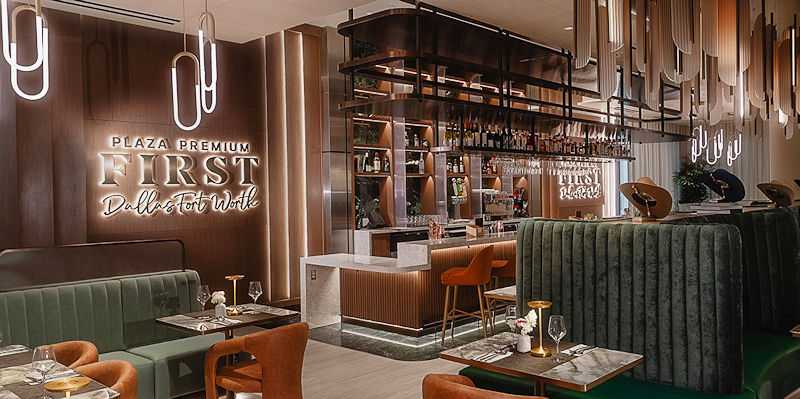
A new pair of independent passenger lounges is redefining how some guests experience hospitality at Dallas Fort Worth International Airport (DFW). Located side-by-side on the second level of Terminal D, the Plaza Premium Lounge and Plaza Premium First Lounge provide expanded access to upscale amenities without requiring membership in a credit card program or being a frequent flyer with a specific airline.
Developed and operated by Plaza Premium Group, both lounges offer travelers flexible access to elevated dining, quieter spaces and personalized service. The Plaza Premium First Lounge is particularly significant because it represents the company’s higher-tier format and is the first at a U.S. airport. (There are eight other locations globally.)
The decision to add both lounges at DFW was driven by growing demand for premium passenger space as international travel, leisure traffic and passenger expectations continue to rise. In addition, the mix of customers seeking an elevated experience at the airport is becoming more diverse, including travelers who don’t have elite airline status or high-end credit cards with rewards benefits.
 Designed to offer different yet complementary experiences, DFW’s two new lounges differ in service style, amenities, overall scale and guest capacity. The Plaza Premium First lounge accommodates up to 96 guests, while the adjacent Plaza Premium Lounge offers seating for 92 travelers.
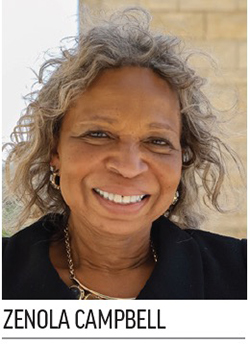
“DFW’s approach to lounges is part of a broader, guest-focused strategy to give customers more control, flexibility and premium options throughout their journey,” explains Zenola Campbell, vice president of Concessions for the airport. “As demand for lounge space continues to grow, we are focused on partnering with the right operators and creating an environment where they can deliver high-quality experiences for a wide range of travelers.”
Airport officials view independent lounges as an increasingly important component of future terminal infrastructure. Campbell notes that DFW already featured one of the country’s most diverse lounge lineups, but expanding access beyond airline-specific products further widens the menu. “Independent lounges are an important part of a balanced ecosystem, providing additional options for customers and helping meet growing demand for premium travel experiences,” she says.
 facts&figures facts&figures
Project: Independent Upscale Passenger Lounges Location: Dallas Fort Worth Int’l Airport, in TX Terminal: D Developer/Operator: Plaza Premium Group Plaza Premium First Lounge: Up to 96 guests Plaza Premium Lounge: Up to 92 guests Construction: Apr. 2025-Jan. 2026 Grand Openings: Feb. 2026 Universal Features: Food & beverage service; lounge management technology & self-service check-in kiosks; multilingual staff Upgraded Plaza Premium First Features: Made-to-order menu items from onsite kitchen; premium brands at full-service bar; private showers; prayer room Facility Architect: Woolpert General Contractor: Key Benefits: Expanded access to elevated hospitality; enhanced int’l passenger experience; reduced terminal congestion; curated food & beverage offerings |
The new lounges are located in DFW’s primary international terminal. “Terminal D continues to evolve as one of the most concentrated premium travel environments in the country, particularly for international travelers, making it a natural fit for expanded lounge offerings,” Campbell explains.
The Points Guy, a popular media platform that focuses on travel rewards programs, agrees wholeheartedly. When covering the new Plaza Premium offerings at DFW, one post described Terminal D as “an absolute paradise for lounge aficionados.” Other notable options in the terminal include a Capital One Lounge, an American Express Centurion Lounge and an American Airlines Flagship Lounge.
For Plaza Premium Group, the recent projects at DFW represent both a milestone and the continuation of a longstanding relationship with the airport. Dallas was the company’s first U.S. market and is also home to the company’s regional office. “We have a lot of people here in Dallas, and our relationship with the airport has been really good since Day One,” says Pascal Bélanger, senior vice president, Americas, for Plaza Premium Group.
The company has operated a Plaza Premium Lounge in Terminal E since 2020, but the opportunity to expand into Terminal D and introduce the company’s top-tier option in the United States aligned with the airport’s international growth. “It came with the advantage of being here as a group,” says Bélanger. “The airport’s growing, and we want to be able to grow with them and help them accommodate the guests and the airlines that come from all around the world to fly to Dallas.”
Two Distinct Experiences
Although physically adjacent, the new lounges offer notably different experiences. Bélanger describes the traditional Plaza Premium Lounge as the company’s foundational product, with the amenities and services travelers have come to expect over nearly three decades of operation.
The Plaza Premium First concept, however, focuses on offering more individualized service in a more exclusive atmosphere. “The main difference between [the two options] comes down to the details,” he explains. “[In the Plaza Premium First Lounge,] you’re ushered to your seat and basically presented the menu and shown that what the lounge offers…so more personalization.”
Dining also plays a central role in differentiating the experience. The Plaza Premium First lounge features made-to-order menu options made onsite. “We do have a full kitchen in Dallas, so we can actually make everything fresh in our kitchen and present it to our guests in the lounge,” Bélanger explains.
The culinary program is paired with elevated beverage offerings, including a full-service premium bar staffed by a mixologist. Guests also have access to showers, private restrooms and a prayer room designed to accommodate international travelers from a variety of cultural backgrounds.
Despite their different tiers of amenities, both lounges focus on hospitable service. To that end, Plaza Premium recruits multilingual staff members—especially those conversationally fluent in Turkish, French, German or Korean because those languages correspond to major international carriers serving DFW. “Sometimes the guests may speak English, but if they can be served in their native tongue, it just goes a long way,” notes Bélanger.
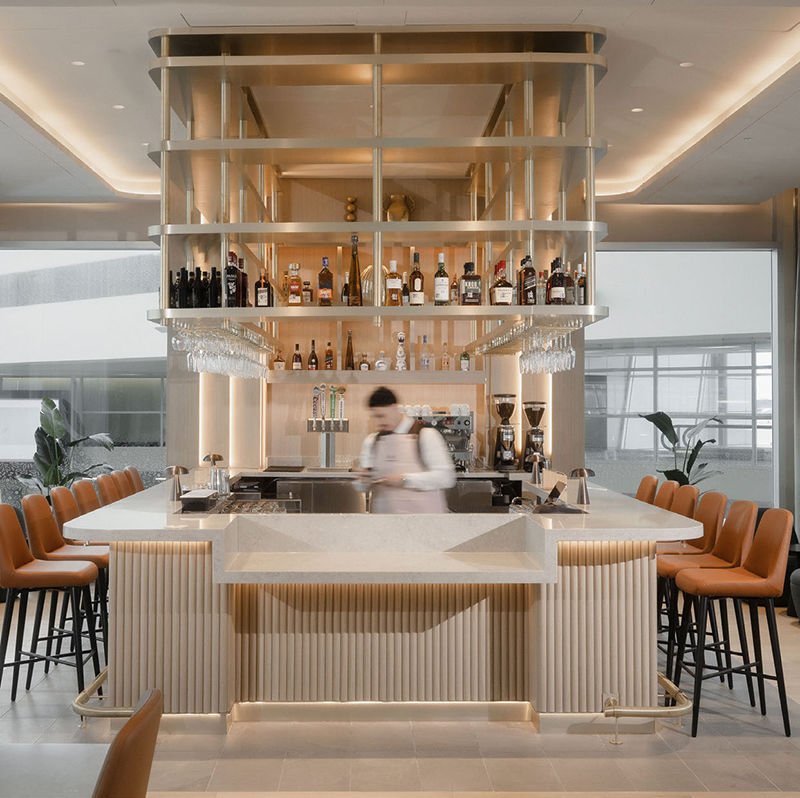
Complimentary beverages are perennially popular with lounge guests.
Open Access Model
Unlike many airline-operated lounges, both new facilities at DFW are accessible to travelers regardless of airline affiliation. “The Plaza Premium Group was founded and predicated on being able to offer anyone in the airport access to a lounge,” Bélanger explains. “That was sort of the whole concept at the beginning.”
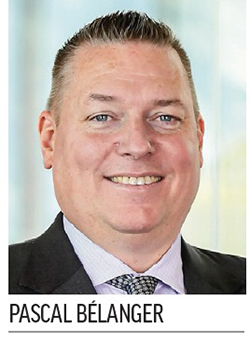 While Plaza Premium Group maintains agreements with airlines, financial institutions and loyalty programs, its lounges also welcome walk-in travelers willing to purchase day passes. That model introduces operational complexity because guest expectations vary significantly. Bélanger describes two potential customers as an example: The first a walk-in passenger going to Los Angeles on domestic carrier, the next a high-point loyalty program member flying first class on a Gulf or Asian carrier to Europe. As a result, the company focuses heavily on flexibility in both food offerings and service delivery.
It also promotes economic value, especially to travelers who have several hours to wait before their flights. “If you go into an airport today and want to have a full meal and maybe a beverage or cocktail, odds are good that you’re going to spend quite a bit of money,” says Bélanger.
Local Identity Through Design
While all Plaza Premium Group lounges reflect the company’s global brand identity, the new locations at DFW also include strong influences from the Dallas region. “We always want to make sure that people know that they are in a Plaza Premium Lounge or Plaza Premium First,” Bélanger notes. “But the sense of place and the specifics of where we are being in North Texas…is reflected in some of the look and feel.”
Local artwork, regional beverages and subtle Texas-inspired design elements are integrated throughout the spaces. “We didn’t try to replicate the stockyards, obviously, but we just put a bit of a wink or a bit of a nod to where we are,” Bélanger describes. The culinary program also incorporates local and seasonal influences where possible, giving travelers one final taste of North Texas before they depart.
The design process involved close collaboration between Plaza Premium Group’s internal design teams, architects and construction partners. Woolpert led the architectural design work following its acquisition of Florida-based architecture group Barbado. Construction was handled by Holt Construction, a contractor Plaza Premium Group has previously partnered with multiple times. “These are not simple builds,” Bélanger advises. “This is a live airport, so we have to always be mindful of where we are.”
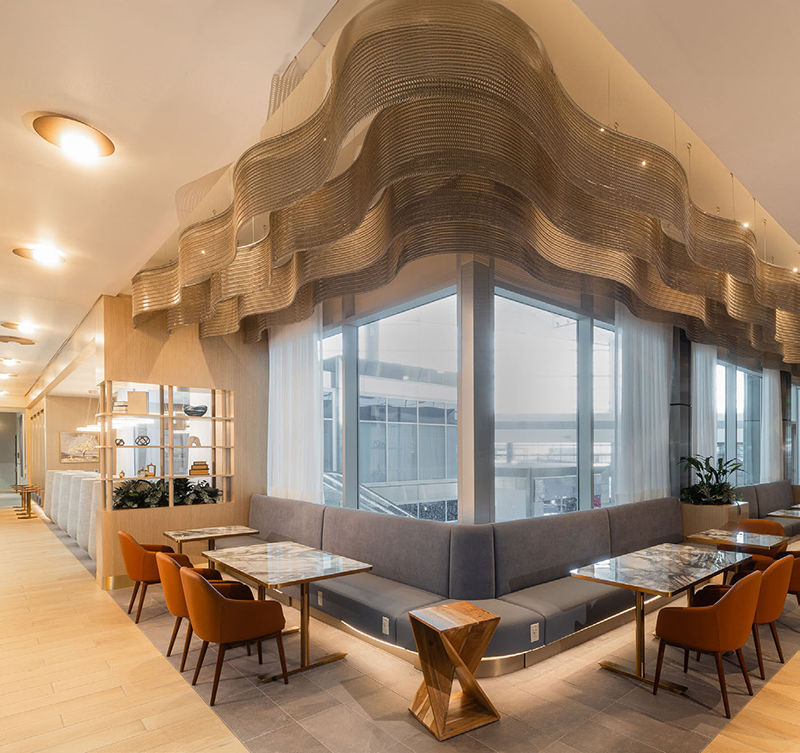
Dining options at the new Plaza Premium Lounge include a regionally inspired buffet.
As usual, Plaza Premium Group assigned its own onsite project manager to oversee timelines, contractor coordination and operational integration throughout construction.
Digital Tools
While lounge hospitality centers on comfort and service, technology plays a critical role behind the scenes. Plaza Premium Group uses a proprietary admission control system to process guests and verify lounge eligibility. Self-service check-in kiosks are also available for travelers with qualifying access credentials.
The company relies on operational analytics and predictive tools to help manage staffing, capacity and passenger flow. Data collected at each lounge helps forecast busy periods by hour, day and season, allowing management teams to adjust staffing levels and operational strategies accordingly. During peak travel periods such as Thanksgiving, the tech tools become especially important.
The company maintains digital waitlist systems and capacity management tools when necessary, though Bélanger emphasizes that the Plaza Premium First experience is designed to minimize visible queuing. “We don’t want to just toss people to a machine, if you will,” he says. “It’s just not an impression that we want to leave with our guests.”
Sustainability Choices
Although the new lounges at DFW were not positioned as sustainability showcases, Plaza Premium Group incorporated several operational practices to reduce waste and improve resource efficiency. “We try to obviously stay away from one-time use products as much as possible,” says Bélanger.
Eschewing disposable service items for reusable plates, glassware and metal cutlery sends a message about environmentalism and upscale hospitality.
Food presentation and portion sizing were carefully evaluated to minimize unnecessary waste. The onsite kitchen also allows culinary teams to prepare meals fresh while managing inventory more carefully and reducing overproduction.
Other company policies focus on minimizing the use of canned products, reducing packaging waste and implementing responsible disposal methods. “I think every small gesture counts,” Bélanger comments. “Given our size operating in over 600 airports across 150 countries, if we can do our share, then I think it’s great.”
Beyond Lounges
While Plaza Premium Group is best known for developing and operating lounges, the company increasingly sees itself in a broader role. “We’ve really transformed ourselves into more of an airport hospitality partner,” Bélanger says. That expansion includes a la carte meet-and-assist support, fast-track programs and comprehensive “Beyond First” service from curb to gate.
Under the Beyond First model, travelers can arrange chauffeured transportation, personalized airport assistance, expedited security processing and guided lounge access in a single transaction. “We organize everything,” Bélanger emphasizes.
The company is also developing technology to help airports integrate multiple passenger services under unified digital systems. Rather than requiring travelers to separately book valet parking, lounge access and concierge services, Plaza Premium Group aims to help airports consolidate such offerings into one centralized platform. “Our goal is to be a solution and an asset and a partner to the airports,” Bélanger explains.
Strong Early Response
Although the lounges in Terminal D are still relatively new, Bélanger reports that early feedback from airline partners and travelers has been positive. “It’s only been…six weeks,” Bélanger said in early April. “Great, great returns.”
International travelers, in particular, appreciate the elevated service environment being offered to their premium customers, he says. “They feel that their clients are treated special.”
Reactions from guests—especially international traveler—are similarly exceeding expectations, Bélanger adds. “They are really thrilled to see the services that we’re providing.”
Gathering Intel
As the first Plaza Premium First Lounge in the United States, the DFW facility will provide guidance for more North American locations. Formal post-opening reviews gather information to evaluate operational successes, identify challenges and refine future strategies. “Any good company needs to go through that so we can learn from good or bad,” remarks Bélanger.
One strategy already deemed successful was phasing the openings. Rather than immediately granting access to all eligible travelers, Plaza Premium Group initially limited entry to select airline customers. This allowed the company to test operations, finish staff training and identify service gaps before scaling up further. “We wanted to make a good impression,” Bélanger explains. “You only get one shot of making the right impression.” Measured rollouts allowed culinary teams, bartenders and front-line staff time to familiarize themselves with the new environment before larger crowds arrived.
Looking ahead, the company plans to add more Plaza Premium First Lounges in North America. “We had opened Vancouver a couple years back, and now, with Dallas coming online, it’s also a standard for new ones that are going to be coming up in this part of the world,” Bélanger says, noting that a facility at John F. Kennedy International Airport (JFK) in New York is already in development.
At DFW, the recent lounge openings dovetail with its ongoing $12 billion modernization program, DFW Forward. “Expanding premium offerings supports continued international growth and helps ensure we are delivering a best-in-class experience at scale,” Campbell concludes.