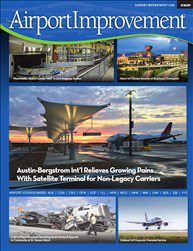
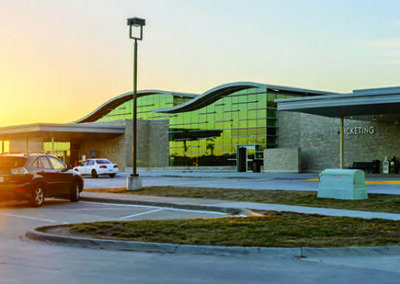
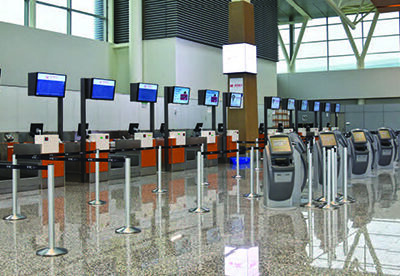
Manhattan Regional Airport (MHK), located in the picturesque and growing Flint Hills region of Kansas, cut the ribbon on its new terminal early this year. More than triple the size of the old facility, the new 42,000-square-foot building emerged from the footprint of the existing terminal in an unusual manner. The airport essentially cut its existing terminal in half, and then demolished, rebuilt and expanded each half during separate phases-while maintaining operations the entire time.
It's a lofty honor for Cincinnati/Northern Kentucky International (CVG) to be the first and only airport with a security management plan certified under the federal SAFETY Act of 2002. But it's a designation that Chief Executive Officer Candace McGraw hopes to share with other airports soon.
As the federal government considers getting tougher on employee screening at U.S. airports, Miami International (MIA) is already exploring ways to make that happen. Its strategy' Deploying familiar technologies traditionally used to screen passengers and checked baggage.
Skipping the line at airport restaurants used to be the stuff daydreams were made of-usually the daydreams of travelers with tight connections, employees on limited lunch breaks or parents with hungry kids hanging on their legs as they waited in line. Mobile apps, however, are changing the very definition of "grab-and-go."
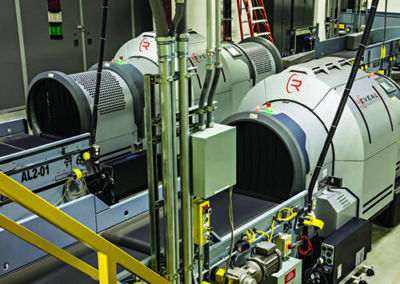
The new $29.4 million checked baggage facility at Westchester County Airport (HPN), near White Plains, NY, was in the design process for four years, but the delay was worth the wait. The new handling and screening system contains in-line explosives detection and is less costly to operate and maintain than similar systems at peer airports.
Last fall, YYC Calgary International Airport (YYC) in Alberta capped its $2 billion airport development program with the opening of a new five-level, 2 million-square-foot terminal brimming with state-of-the-art technologies (see list to the left for specifics). Together with a 14,000-foot runway that opened in June 2014, the projects represent the largest single infrastructure program in the airport's history.
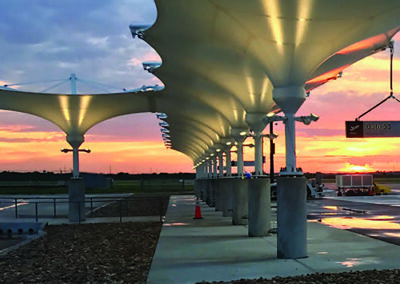
The city of Austin, TX, has been expanding rapidly for the past several years, with no discernable end in sight. Last year, its population grew by 2.9% (nearly 60,000 people) and forecasters predict that the city will reach the 3 million mark before 2030. As of this March, Austin was home to more than 2 million residents.
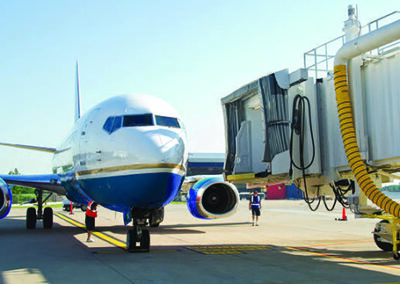
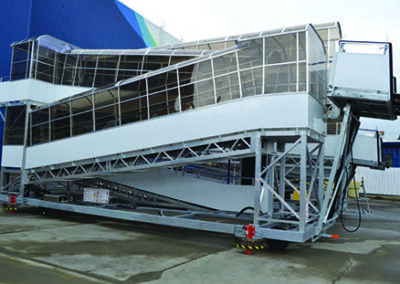
When infrastructure constraints preclude loading and unloading aircraft at the terminal, airports need to get creative. Mobile boarding ramps and airside buses are two options operators are using to keep passengers safe and comfortable as they enter and exit planes on the tarmac.
In the last year, Oakland International Airport (OAK) has increased its international traffic by a whopping 73%. That's no easy task-especially given its location directly across the bay from San Francisco International Airport and about 35 miles north of Norman Y. Mineta San Jose International Airport.
Sitting on a small, exclusive island off the southeast coast of Georgia, McKinnon St. Simons Island Airport (SSI) serves an upscale population of private aircraft operators. Nevertheless, the airport faced a distinct financial quandary when it needed to resurface its badly deteriorating secondary runway: such projects are not eligible for FAA Airport Improvement
Program funds.
When it comes to bidding airport work, airports and respondents alike know that the bottom line of a proposal usually seals the deal-and eventually the fate-of a potential contract.
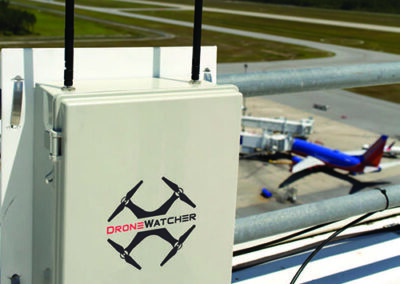
As the recreational drone craze continues to grow, the popular fad is literally hitting the radar of personnel charged with maintaining the safety and security of airports around the country.
That's probably the connotation many of you have for the word "different," too. We often associate it with strange, unknown or other qualities that make us uncomfortable.
As a critical component of America's overall transportation network, air travel must be strong, safe and well connected to where we work, live and play. With airline travel expected to increase by more than 50% in the next 20 years, continuing to transform U.S. airports into efficient intermodal transportation centers is increasingly important. Planning must be accelerated and funding put in place to implement improved connectivity between airports and the communities they serve.