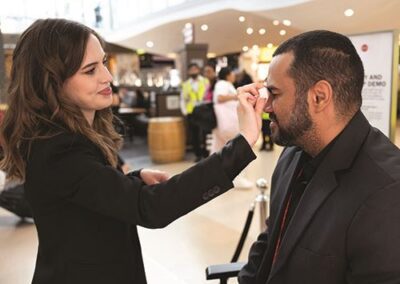
In addition to yellow taxicabs and world-class arts, New York City is known for cutting-edge fashion and beauty'and they all can be found at John F. Kennedy International Airport (JFK). A new retail concession in Terminal 4 showcases the city's focus on beauty, in particular.
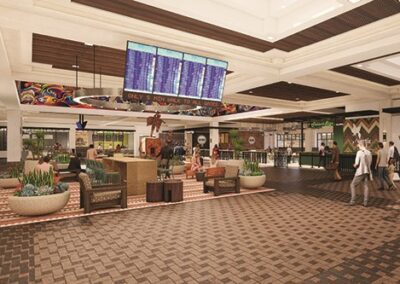
Make no mistake, guests at Albuquerque International Sunport (ABQ) will soon get a major taste of local culture when dining and shopping at New Mexico's largest commercial airport. Already known for its distinctively Southwestern architecture and décor, ABQ is infusing more local flavor and brands into its concessions program.
In his eighth year as executive director of the Indianapolis Airport Authority, Mario Rodriguez is working to turn that frustrating theme on its ear by championing a new concessions option at Indianapolis International Airport (IND) that features some of the best products Indiana has to offer.
When Mark Gale took the reins at Fort Lauderdale-Hollywood International Airport (FLL) in early 2016, the newly inaugurated chief executive officer began presiding over a facility that was home to several airlines, yet hub to none. Just months after arriving, FLL's new chief executive began a mission to extend VIP customer service comforts and conveniences to more airport guests.
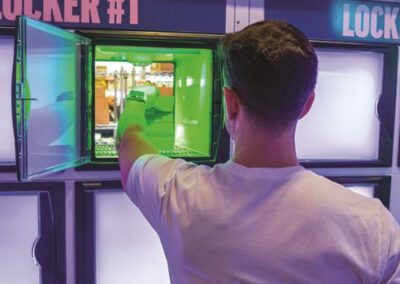
One of the three locations shuttered at the North Carolina airport was a California Pizza Kitchen in Terminal 2, and customers missed the option when traffic began to resume. Rather than plugging another standard dine-in/carry-out option into the open spot, management at RDU opted to pioneer an entirely new concept for airports: a virtual food hall with multiple concessionaires.
As the Greater Toronto Airports Authority stared down the barrel of COVID-19 back in 2020, it realized the pressing need to offer contactless concessions at Toronto Pearson International Airport (YYZ).
During the early days of the pandemic in Spring 2020, Enjoy Repeat's majority business partner of three years, SSP America, began planning a full exit from LAX. But when SSP approached Greg Plummer about selling his 25% stake in their joint venture, Plummer immediately declined. And then promptly flipped the script.
When Haley Abbas is tooling around Grand Rapids, MI, she finds it extremely gratifying to see people, young and old, wearing hats, sweatshirts and other swag celebrating the 60th anniversary of Gerald R. Ford International Airport (GRR).
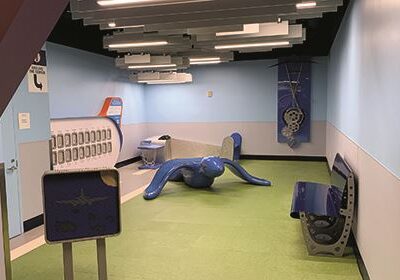
Last fall, Norman Y. Mineta San Jose International Airport (SJC) opened a $1.2 million indoor play area that helps young passengers burn physical and mental energy before boarding their flights. And it was all made possible by a village of generous supporters.
Without question, COVID-19 has been a test for airports large and small, metropolitan and rural. In August 2020, during the early throes of the pandemic, Greenville-Spartanburg International Airport (GSP) changed from traditional concessions contracts to more narrow management agreements for five of its nine food and beverage locations.
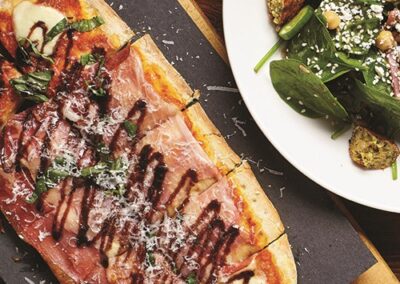
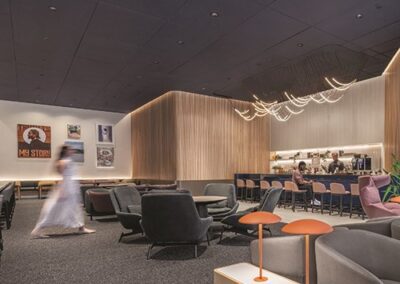
The new Capital One Lounge that opened at Dallas Fort Worth International Airport (DFW) in November was inspired by an unappetizing image: pre-packaged salads with wilting greens.
Passengers and workers at Baltimore/Washington International Thurgood Marshall Airport (BWI) who need medical assistance no longer have to wonder if there's a doctor in the house. In August, the airport opened a full-service urgent care clinic in its main terminal; and the new facility typically treats approximately 50 to 60 patients per day.