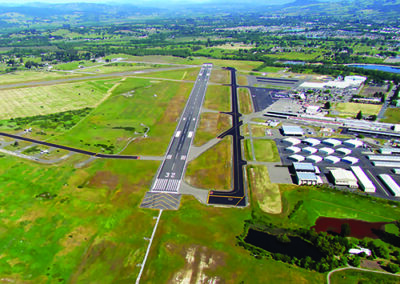
Collecting aircraft landing fees can be a hit-or-miss proposition, and many airports accept the problem as an unfortunate industry norm. Charles M. Schulz-Sonoma County Airport (STS) is not one of those facilities. After automating its aircraft identification and billing system in May 2016, the Northern California airport has almost doubled the revenue it collects in airfield fees.
Thinking "outside the box" is uncomfortable and difficult for many adults. For Bern Case, AAE, it seems to be second nature.
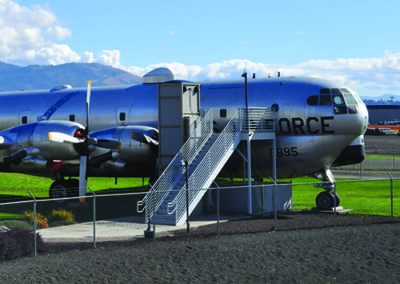
For example, there's a retired KC-97 Stratotanker parked permanently outside the airport fence that serves as a rental facility for parties and other special occasions. In the past year alone, it has been the site of more than 200 events. Then there's the replica of the White House Oval Office, created in a spare room inside the terminal. It's also popular for weddings and other celebrations.
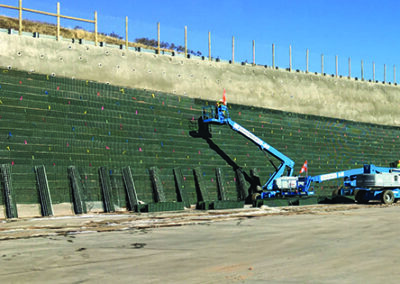
After overcoming space constraints, geological challenges and complications associated with high altitude, Telluride Regional Airport (TEX) in Colorado is thrilled to have a new $7 million deicing pad ready to boost operational efficiency again this winter.
A challenging management issue is emerging at many U.S. airports: As increasing numbers of long-time senior executives prepare to retire, their next-in-line successors typically don't have the business, management and leadership skills the top positions demand.
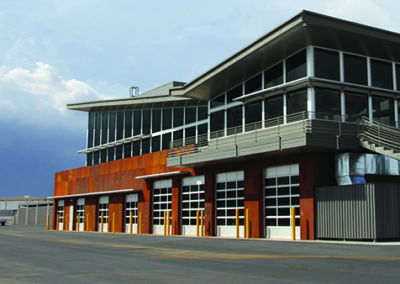
This spring, Scottsdale Airport (SDL) in Arizona received good news about its new Operations Center. The U.S. Green Building Council awarded the building silver certification for Leadership in Energy and Environment Design (LEED).
It's a lofty honor for Cincinnati/Northern Kentucky International (CVG) to be the first and only airport with a security management plan certified under the federal SAFETY Act of 2002. But it's a designation that Chief Executive Officer Candace McGraw hopes to share with other airports soon.
When it comes to bidding airport work, airports and respondents alike know that the bottom line of a proposal usually seals the deal-and eventually the fate-of a potential contract.
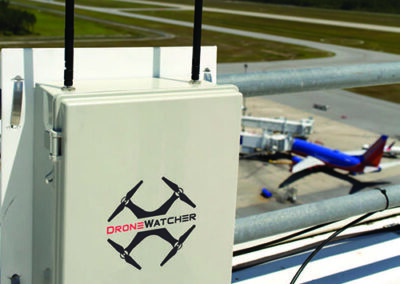
As the recreational drone craze continues to grow, the popular fad is literally hitting the radar of personnel charged with maintaining the safety and security of airports around the country.
From driverless cars to online stock trading by individual investors, technology continues to transform industries. Airports are no exception. In fact, a recent survey from SITA indicates that airports worldwide spent a record $9+ billion on information technology (IT) projects last year.
Nov. 1, 2016, marked a new era for Ontario International (ONT), as ownership, management and operation of the Southern California airport returned to local control. The Ontario International Airport Authority (OIAA), formed through a joint powers agreement between the city of Ontario and San Bernardino County, assumed control from Los Angeles World Airports (LAWA) after a successful campaign to "Set Ontario Free."
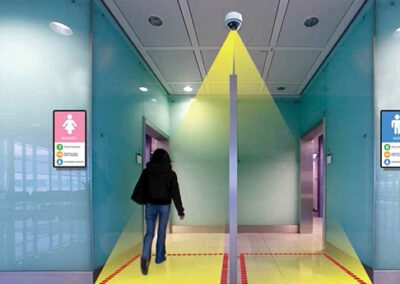
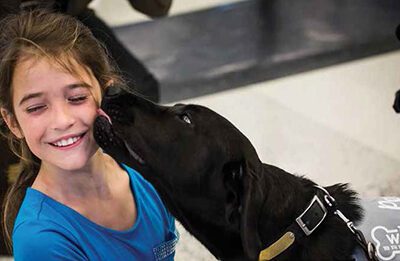
When some people fly, they bring along lots of heavy baggage-literally and emotionally. On any given flight, there's probably more than one white-knuckle flyer, people en route to potentially life-changing job interviews or business meetings, and still others traveling for funerals or other sad events. Overstimulated children and weary seniors can also be particularly vulnerable.
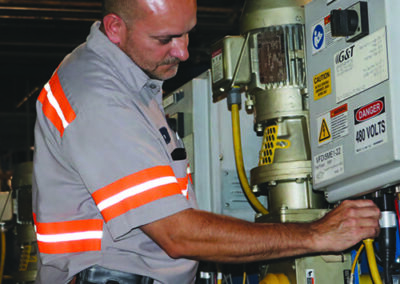
As snow removal equipment continues to become more sophisticated and complex, more airports are relying on manufacturers to help train their crews to operate and maintain it. Some are even contracting equipment makers to perform major repairs for them.